What your filter catches (and what it doesn't)
A whole-house sediment and carbon filter catches sediment, silt, sand, rust and pipe-scale particles, and reduces chlorine taste and smell at every tap; a catalytic carbon stage also reduces chloramine. It does not soften water, disinfect tank water or remove PFAS. Those need a scale conditioner, UV, or a certified reverse osmosis tap. A brown cartridge is trapped sediment.
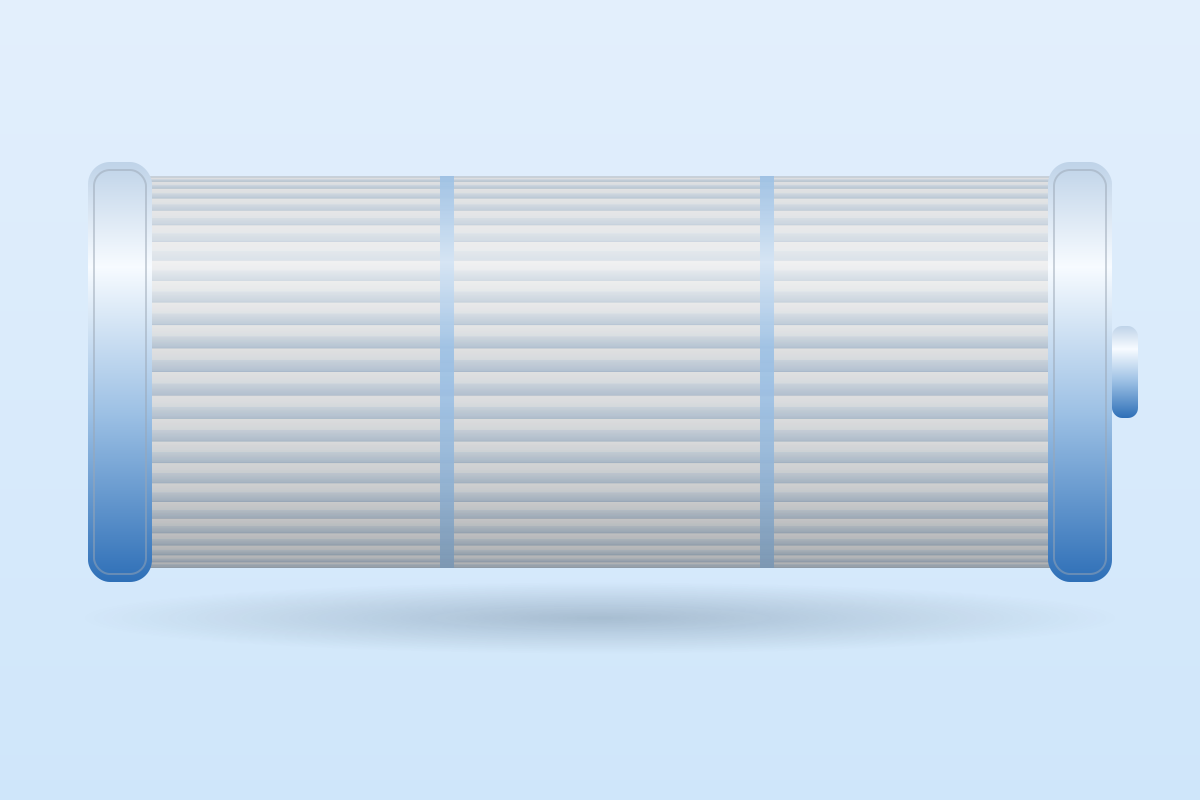
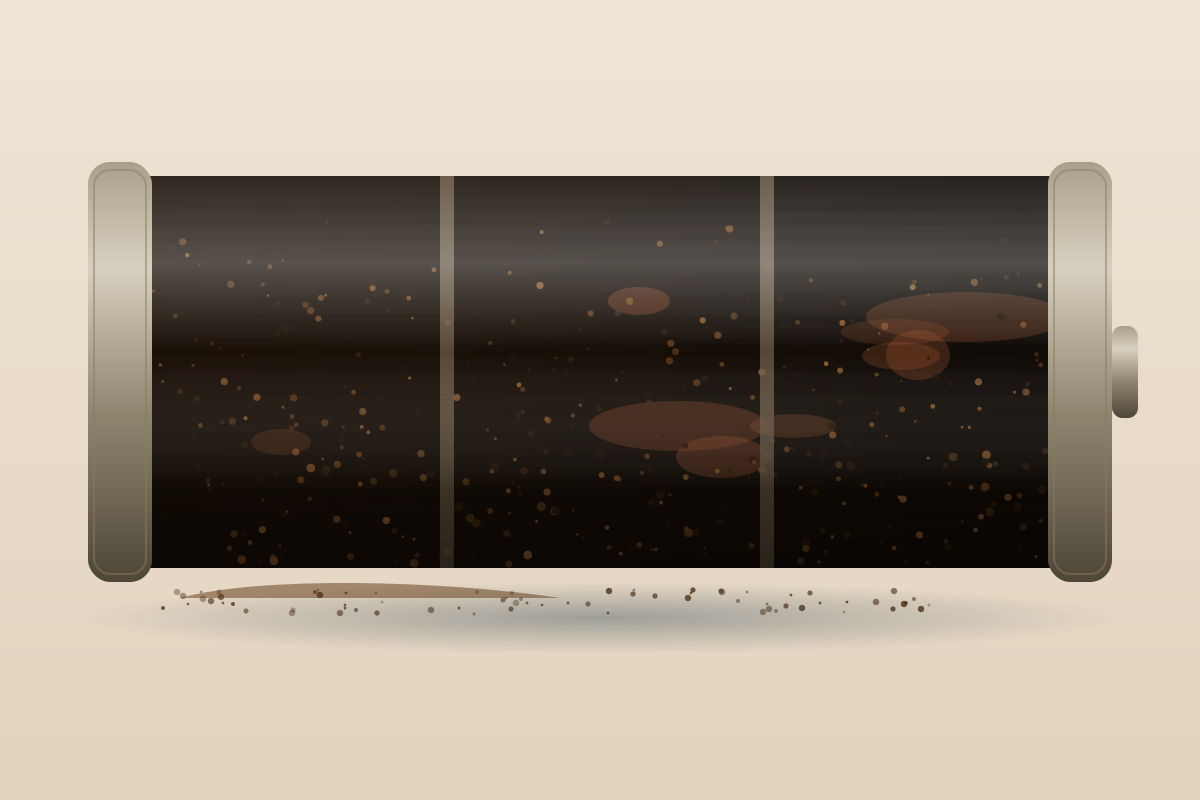 Used cartridge · 90 daysNew cartridge
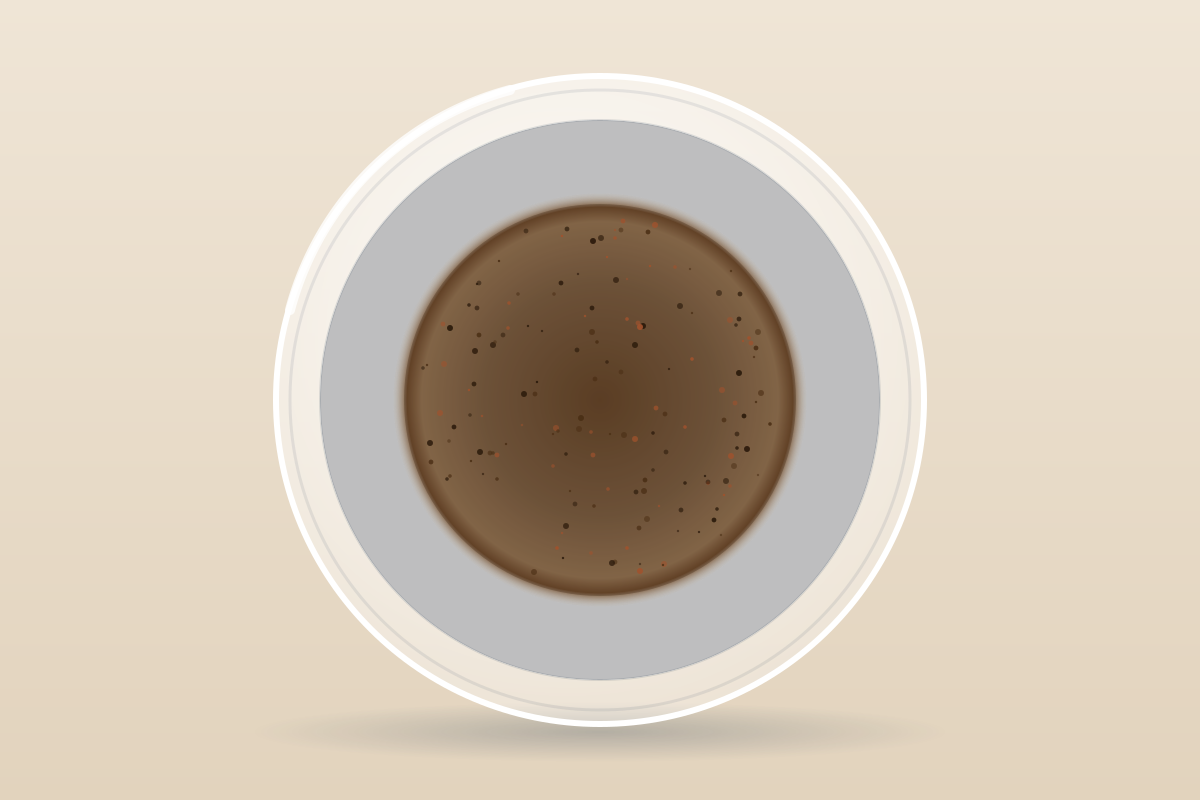 After the testFresh paper
Sediment and silt
This is the brown you see on a used cartridge. Fine silt, sand and grit settle in water mains over time, and when the flow in the network changes, that sediment is stirred back up. Water Corporation describes it plainly: the sediment makes the water look discoloured but is harmless and the water is safe to use (Water Corporation).
Harmless isn't the same as not there. Without a filter it settles in your hot water system, washing machine and shower heads. With one, it builds up on the pleats of a sediment cartridge at the meter, which is why a cartridge goes from white to brown. How fast depends on your street, your pipes and how much water your household uses.
More: Why is my water filter brown? · How a whole-house filter works
Chlorine and chloramine (the carbon stage)
Utilities disinfect water with chlorine or chloramine so it stays free of harmful bacteria all the way to your tap. SA Water, for example, has used chloramine in parts of South Australia since the 1980s (SA Water). That disinfection is a good thing. It's also what you taste in a glass and smell in a hot shower.
The national guidelines set a health limit of 5 mg/L for chlorine and an aesthetic (taste) guideline of 0.6 mg/L (SA Water glossary; ADWG). Water can be well within the health limit and still taste of chlorine.
The carbon stage of a whole-house system reduces chlorine taste and odour; carbon filters for this are certified to NSF/ANSI 42 (NSF). Chloramine is more stable and needs a catalytic carbon stage with enough contact time, so we size the carbon to your supply and flow. Your proposal says which one you're getting.
More: Chlorine vs chloramine filters · Chlorine in shower water
Rust and pipe-scale particles
Older cast-iron mains and household galvanised or copper pipes shed tiny flakes of rust and scale. They show up as orange-brown specks on the cartridge, and sometimes as a reddish tint after the water has been off. The guidelines treat iron as an aesthetic issue: above 0.3 mg/L it can discolour water and affect taste (SA Water glossary).
A sediment stage catches the particles. It does not take out metals that are dissolved in the water. For lead from old brass fittings, the answer is testing and, if needed, a certified drinking-water filter at the tap.
Scale minerals (hardness)
Hardness is dissolved calcium and magnesium. Above 200 mg/L, water is considered hard and can scale up kettles, shower screens and hot water systems (SA Water glossary). Because it's dissolved, a sediment and carbon filter doesn't catch it. Your cartridge stays the same colour and the kettle still scales.
If your test shows hard water, the fix is a salt-free scale conditioner alongside the filter. It's an optional add-on, recommended only when your hardness reading calls for it.
More: Salt-free scale conditioner · Hard water in Australia · Softener vs whole-house filter
What it does not remove
Being honest about this matters more than the sale.
- Bacteria and viruses. City water is already disinfected. If you're on a rainwater tank or bore, disinfection needs UV, certified under NSF/ANSI 55 (NSF). See UV for rainwater tanks and filters for rainwater tanks.
- PFAS. A whole-house sediment and carbon system is not certified for PFAS. For drinking water, a reverse osmosis tap certified for PFOA/PFOS reduction is the right tool. See PFAS-certified RO upgrade and PFAS in Australian tap water.
- Hardness and dissolved salts. Dissolved minerals pass through sediment and carbon. Scale needs a conditioner; dissolved salts at the drinking tap need reverse osmosis.
All add-ons are opt-in and only recommended when your test results point to them. See all add-ons.
What each stage removes.
The whole-house system treats every tap. UV and reverse osmosis are add-ons for specific jobs.
| Contaminant | Sediment + carbon every tap | + UV tank water | + RO one drinking tap |
|---|---|---|---|
| Sediment, silt and sand | Yes | Yes | Yes |
| Rust and pipe-scale particles | Yes | Yes | Yes |
| Chlorine taste and smell | Yes | Yes | Yes |
| Chloramine | Yes* | Yes* | Tap |
| Hardness (scale minerals) | No | No | Tap |
| Bacteria and viruses (tank / bore) | No | Yes | No |
| PFAS (PFOA / PFOS) | No | No | Tap† |
| Dissolved salts (TDS) | No | No | Tap |
* With a catalytic carbon stage sized for chloramine. "Tap" means reduced at the one drinking tap fitted with reverse osmosis, not the whole house. † Only with an RO system certified for PFOA/PFOS reduction. Columns are cumulative: + UV and + RO include the sediment and carbon stages. Scale is managed by a separate conditioner add-on. Certification claims apply to the specific products in your proposal.
Find out what your water would leave on a filter.
At the free in-home test we draw your water through filter paper in front of you, and test chlorine, hardness and dissolved solids. Then you'll know which of the rows above matter for your home.
After the testFresh paperSend us your filter photo.
Already have a whole-house or under-sink filter? Photograph the used cartridge next to a new one and email it with your suburb. With your permission we'll add real Australian cartridges here, so people can see what water in their area leaves behind.
Email my filter photoWe'll only publish photos you say we can, without your name or address.Questions, answered straight.
Can't see yours? Help centre or call 1300 000 000.
Why is my water filter brown?
Brown is trapped sediment: fine silt, sand, rust and pipe-scale particles that settle in water mains and household pipes and get stirred up when flow changes. It shows the filter is working. Utilities describe this sediment as harmless, but without a filter it ends up in your hot water system, appliances and showers.
What does a whole house water filter remove?
A sediment and carbon whole-house filter removes sediment, silt, sand, rust and pipe-scale particles, and reduces chlorine taste and smell at every tap. A catalytic carbon stage also reduces chloramine. It does not remove hardness, bacteria, PFAS or dissolved salts.
Does a whole house filter remove chloramine?
Only if the carbon stage is designed for it. Chloramine is more stable than chlorine and needs catalytic carbon with enough contact time. We size the carbon to your supply and flow, and your proposal states which stage you're getting.
Does a whole house filter soften water?
No. Hardness is dissolved calcium and magnesium, which pass through sediment and carbon. If your test shows hard water, a salt-free scale conditioner can be added.
Does a whole house filter remove PFAS or bacteria?
No. For PFAS in drinking water, use a reverse osmosis tap certified for PFOA/PFOS reduction. For bacteria in rainwater tank or bore water, use UV disinfection. City water is already disinfected.
Does a brown filter mean my water is unsafe?
No. City water in Australia meets the Australian Drinking Water Guidelines. A brown cartridge shows what the filter stopped before it reached your taps, not that the water was unsafe to drink.
Related answers
What does a whole house water filter remove?
Why is my water filter brown?
Whole-house filter maintenance: when to change cartridges
Do I need a whole house water filter?
Whole house vs under-sink water filter
Add-ons: scale, UV, leak shut-off and PFAS RO
- NHMRC, Australian Drinking Water Guidelines
- SA Water, Glossary: what makes up your water (chlorine, hardness, iron, turbidity)
- SA Water, Disinfecting your drinking water (chloramine)
- Water Corporation, Discoloured water alert (sediment in mains)
- NSF, Standards for water treatment systems (NSF/ANSI 42, 53, 55, 58)
- Health Canada, Guidelines for Canadian Drinking Water Quality: Trihalomethanes
Australian tap water meets the Australian Drinking Water Guidelines. Images on this page are illustrations, not photographs of a customer's filter.
See what's in your water.
Free 30-minute test in your kitchen. No pressure, ever.